Crop to kitchen
Follow an ingredient beyond the label
Choose something you use every week. Then look at the decisions that brought it to your cupboard.
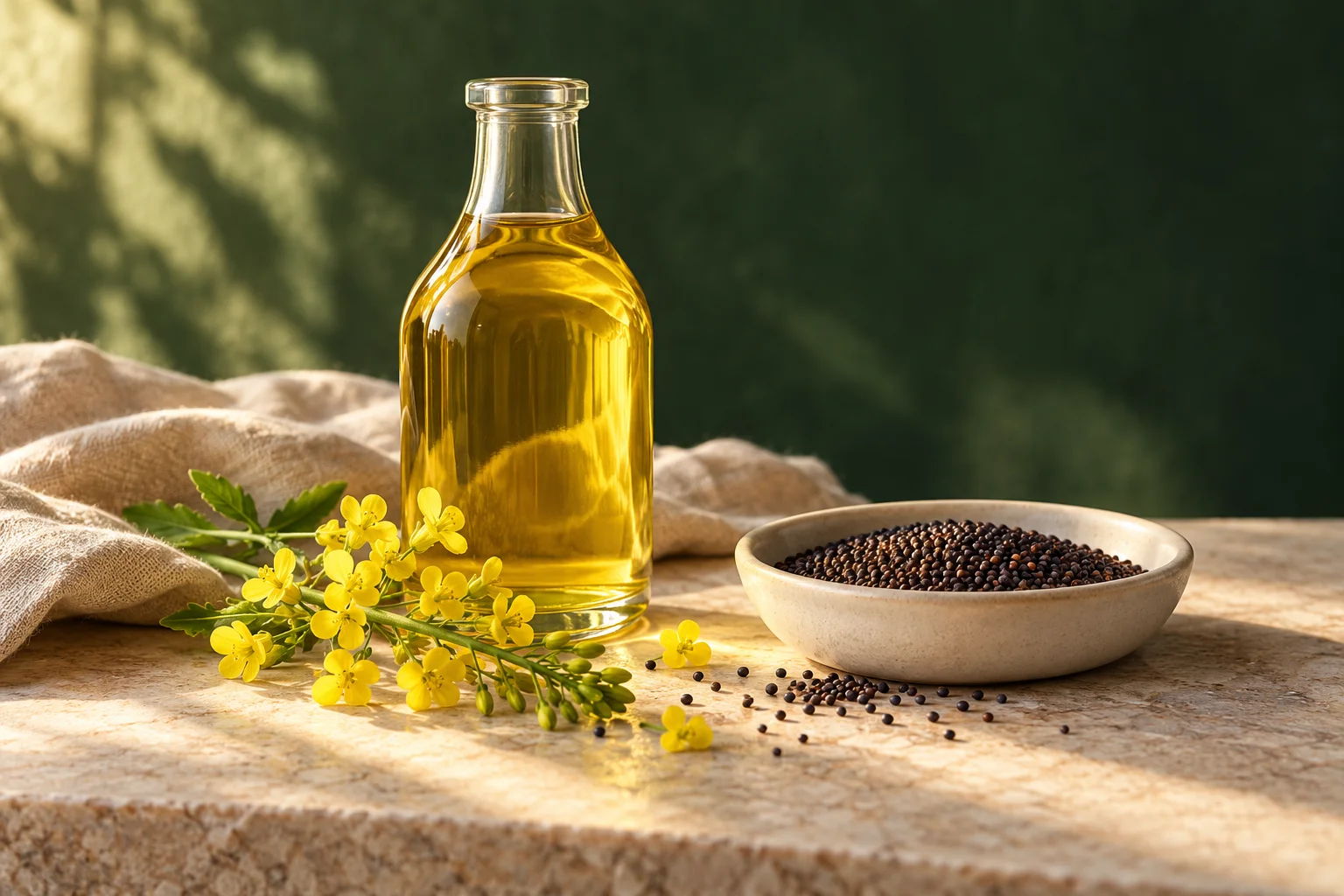
Begin with the ingredient
An ingredient is an easy thing to overlook when dinner needs to happen. Flour goes into a bowl. Oil meets the pan. Oats disappear into a pot. The package gives each one a name and a place on the shelf. Following it backwards opens a much larger story.
Begin with what you can actually see. Read the ingredient name, the product description and the storage instructions. Keep the distinctions intact: a whole seed, a flour and an oil are different forms of a crop. A description of one does not automatically tell you how the others were made or how they will behave in a recipe.
Follow one transformation
Next, write down the transformation you want to understand. With flour, that might be the journey from grain to a particular kind of milling. With oats, it might be the difference between the forms sold for different cooking times. With oil, it might be the steps between an oil-bearing seed and the product in the bottle. A specific question gives the research somewhere to go.
The field is the next part of the picture. Ask where the crop can be grown, which season a source is describing and whether its scale is a farm, a region or the whole country. A national production table can give useful context. It cannot identify the field that supplied the package in your hand. That connection needs its own traceable record.
Return with a better question
Keep a small list of what is known and what is still missing. You may know the ingredient, its declared origin and the process named on the package. You may still lack the harvest year, storage history or precise growing location. An honest account can contain those gaps. There is no need to supply a picturesque farm when the evidence stops at a country.
Finally, return to the kitchen with a better question. What role does this ingredient play here: structure, flavour, texture, moisture or the transfer of heat? Which part of the recipe depends on its form? Understanding the journey becomes useful when it helps explain a choice you are about to make.
Try the exercise with one cupboard staple. Keep the label, record the question and follow one well-supported connection at a time. An ordinary package can be the beginning of a generous piece of reading.
Keep reading
These public resources introduce the underlying subject. For an individual claim, follow the specific source record and its date.
Another way in